
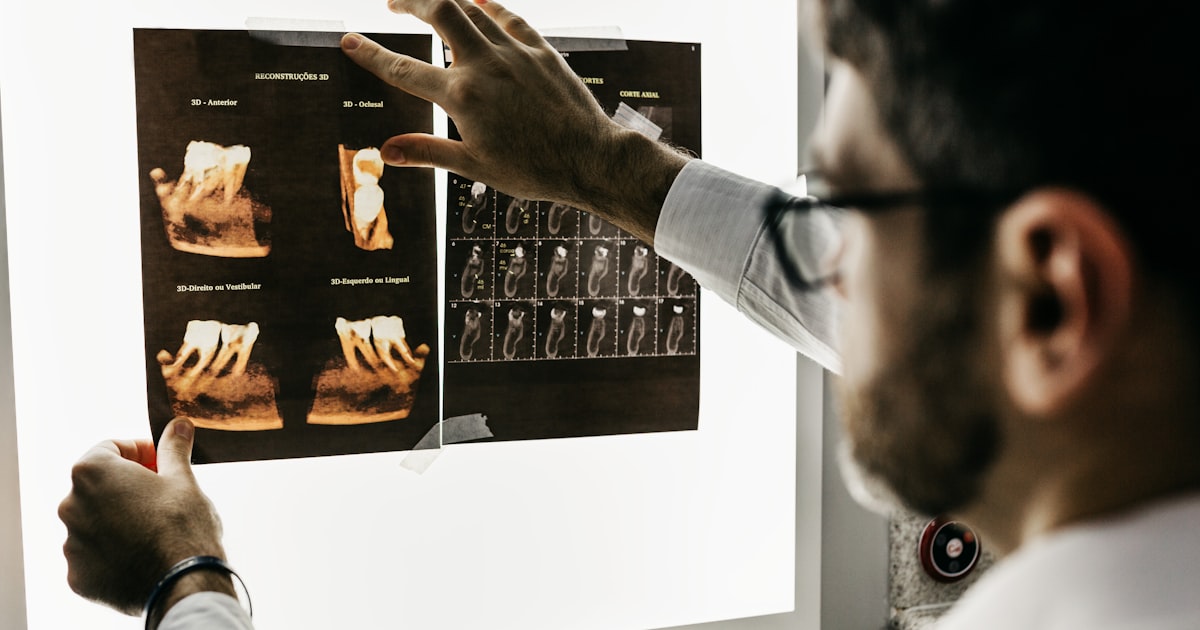
The BBC's latest investigation into NHS dentistry paints a stark picture of a system in collapse. Nine in ten dental practices across the UK are not accepting new adult patients. People are resorting to DIY dentistry out of desperation. Wait times stretch beyond a year in many areas. The reporting is urgent and alarming, and it reflects a genuine crisis.
At OpenWide, we have real-time visibility into appointment availability across the UK. When we examined our platform data from Monday 24 August, it revealed something that both confirms and contextualises the BBC's findings.
What the BBC reported
The investigation found that 91% of NHS practices in England are not accepting new adult patients. In regions like the East Midlands, North West, and Yorkshire and the Humber, the figure rises to 97 to 98%. Even among practices with waiting lists, 16% reported wait times of a year or longer. Thirty-seven local authorities in England have no NHS practices accepting new patients at all.
Patients have resorted to pulling their own teeth, travelling hundreds of miles for treatment, and turning to private care they cannot afford.
Share of practices closed to new adult NHS patients, by region.
Source: BBC investigation into NHS dentistry, 2026.
The root cause
The root cause is well documented: underfunding, loss-making NHS contracts that do not reflect the true cost of providing care, and an exodus of dentists from NHS work. The system is not just stressed; it is failing.
What OpenWide's data shows
On a single day, we tracked appointment availability across UK dental practices on our platform. Within seven days, there were 2,893 NHS appointment slots available and 24,448 private appointment slots available.
The ratio tells the story: private slots outnumber NHS slots by more than eight to one.
NHS versus private availability across UK practices on OpenWide, 24 August 2026.
Source: OpenWide platform data, 24 August 2026. Private slots outnumber NHS by more than 8 to 1.
The regional picture
When broken down by region, the picture is even more concerning. In the North East there are zero NHS slots available to book. In regions like Yorkshire and the West Midlands, low double and triple-figure slot counts are distributed across hundreds of practices.
Bookable NHS slots on OpenWide, with our clinic coverage for each region.
Source: OpenWide platform data, 24 August 2026.
What the numbers mean together
Our data does not contradict the BBC's reporting. It confirms it from a different angle. OpenWide's platform gives us insight into actual appointment supply that is being booked and managed digitally. The scarcity we are seeing reflects the same systemic crisis the BBC documented.
The critical insight is this: we are not looking at a problem where slots exist but patients cannot find them. We are looking at a problem where slots barely exist at all.
Even accounting for the fact that we do not have 100% clinic coverage on our platform, the collapse in NHS availability is unmistakable. In the North East, there are zero NHS slots available to book. In regions like Yorkshire and West Midlands, four-figure practice counts hold only double and triple-figure slot counts between them.
Why this matters
The BBC's investigation highlights the urgency and human cost of the crisis. Our data provides a snapshot of current capacity in real time. Together, they tell a story about the state of NHS dentistry today.
- 1
Supply collapse
NHS practices are simply not offering routine appointments in the volumes patients need.
- 2
Regional inequality
Some parts of the country have virtually no access to NHS dental care at all.
- 3
Private dependence
Patients who need care are forced into private practice or self-treatment.
- 4
Market distortion
The ratio of private to NHS slots reflects a system where NHS work is no longer viable for many practices.
Looking forward
The distress documented by the BBC is not overstated. It is backed by the numbers. This data snapshot was taken on 24 August 2026. The NHS dentistry crisis is not a new problem, and it will not resolve without significant investment, contract reform, and support for practices to make NHS work financially sustainable again.
Until those systemic changes happen, patients will continue to struggle, practices will continue to reduce NHS provision, and the gap between those who can afford private care and those who cannot will continue to widen.
OpenWide remains committed to making the appointments that do exist more discoverable and easier to book. But access infrastructure alone cannot solve a supply crisis. What is needed is a fundamental reset of how NHS dentistry is funded and contracted.
Related Articles

Find a dentist you can trust
Compare pricing, read verified reviews, and choose a practice that's right for you.