
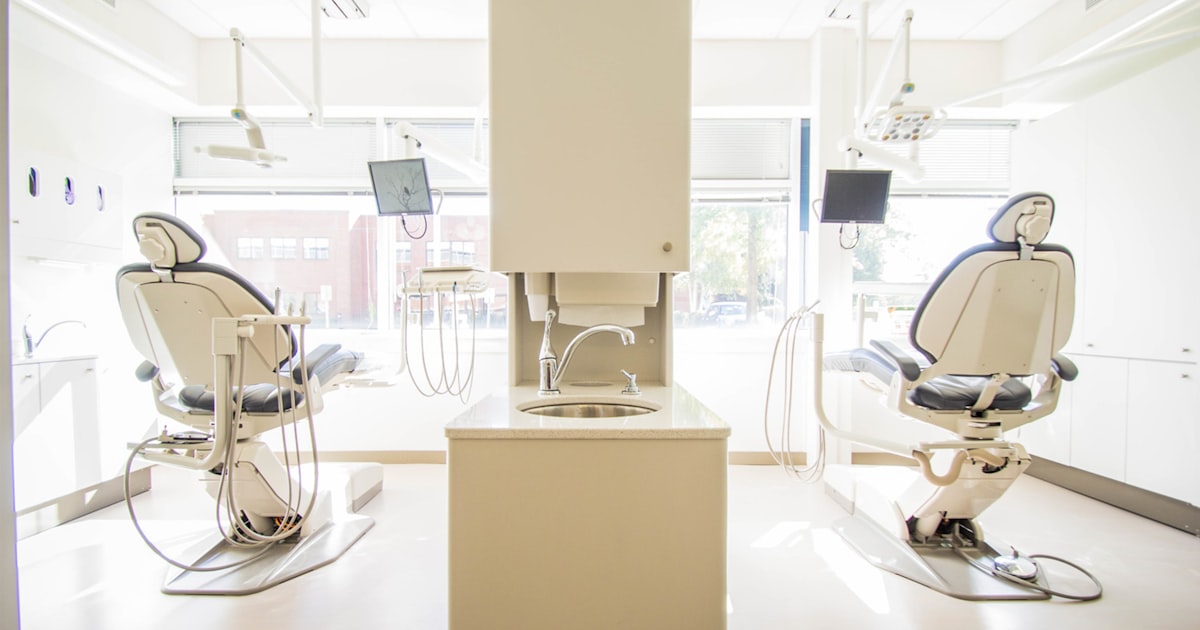
If the thought of visiting the dentist makes your heart race, your palms sweat, or your stomach churn, you are far from alone. Dental anxiety is one of the most common phobias in the United Kingdom, affecting an estimated 36% of the adult population to some degree. For around 12% of people, the fear is severe enough to qualify as a dental phobia, meaning they avoid the dentist entirely, sometimes for years or even decades at a time.
The consequences of avoiding dental care are significant and well-documented. What starts as a minor cavity can progress to an infection, an abscess, or tooth loss. Gum disease left untreated can affect your overall health, with links to cardiovascular problems and diabetes complications. Beyond the physical, there is an emotional toll too. Many people with dental anxiety report feeling embarrassed about the state of their teeth, which compounds the reluctance to seek help.
The good news is that dental anxiety is highly treatable, and the dental profession has made enormous strides in accommodating nervous patients. Modern techniques, sedation options, and a growing awareness among clinicians mean that there are more ways than ever to get through a dental visit comfortably. This guide walks you through practical strategies that real patients use to manage their anxiety, from breathing techniques you can practise at home to clinical sedation methods that can make even complex procedures feel manageable.
Understanding your anxiety is the first step toward overcoming it. Whether your fear stems from a bad childhood experience, a sensitivity to pain, a dislike of needles, or simply a feeling of vulnerability in the dental chair, recognising what triggers your anxiety gives you the power to address it directly. Every strategy in this guide is designed to put you back in control.
How Common Is Dental Anxiety?
Dental anxiety is remarkably prevalent across all age groups, genders, and backgrounds. Research published in the British Dental Journal suggests that between a third and a half of the UK population experiences some level of dental anxiety. Among those, a significant minority experience such intense fear that they meet the clinical threshold for dental phobia, a condition recognised by the Diagnostic and Statistical Manual of Mental Disorders.
The causes of dental anxiety are varied and deeply personal. For many adults, the fear originates in childhood. A painful or frightening experience at the dentist during formative years can leave a lasting imprint. Others develop anxiety after a negative experience in adulthood, perhaps a procedure that was more painful than expected or a dentist who seemed dismissive of their concerns. Some people have a generalised anxiety disorder that extends to dental settings, while others have specific triggers such as the sound of a drill, the sensation of numbness, or the feeling of having someone working inside their mouth.
What is particularly important to understand is that dental anxiety tends to be self-reinforcing. A person avoids the dentist because they are anxious. Over time, their dental health deteriorates, which makes them more anxious about what the dentist will find when they eventually go. This creates a vicious cycle that can be difficult to break without the right support.
The NHS Adult Dental Health Survey has consistently shown that people with dental anxiety have significantly worse oral health outcomes than those without. They are more likely to have untreated decay, missing teeth, and gum disease. They are also more likely to attend the dentist only when in acute pain, which means their experiences of dental care are disproportionately associated with emergency treatment rather than routine, comfortable check-ups.
Recognising that dental anxiety is a genuine, common, and well-understood condition is important. You are not being irrational or weak. Your brain has learned to associate the dental environment with threat, and unlearning that association takes time, patience, and the right approach.
Practical Coping Techniques
There are several evidence-based strategies you can use to manage dental anxiety, both before and during your appointment. These techniques work for mild to moderate anxiety and can be combined for greater effect.
First, try controlled breathing. The 4-7-8 technique is particularly effective: breathe in through your nose for four seconds, hold for seven seconds, and exhale slowly through your mouth for eight seconds. Practise this at home so it becomes second nature, then use it in the waiting room and in the chair. Deep, slow breathing activates your parasympathetic nervous system, which directly counteracts the fight-or-flight response that drives anxiety.
Second, use distraction. Many dental practices now allow patients to wear headphones during treatment. Create a playlist of music or a podcast that you find genuinely absorbing. Noise-cancelling headphones are especially useful because they block out the sounds of dental equipment, which are a major trigger for many people. Some patients find audiobooks more effective than music because following a narrative requires active cognitive engagement, leaving less mental bandwidth for anxious thoughts.
Third, establish a stop signal with your dentist before the procedure begins. This is usually a raised hand. Knowing that you can pause the treatment at any time gives you a sense of control that significantly reduces anxiety. A good dentist will respect your signal immediately and without judgment. If your current dentist does not offer this, consider switching to one who does.
Fourth, try progressive muscle relaxation. Starting from your toes, systematically tense and then relax each muscle group in your body. This technique is particularly useful for people who tend to grip the armrests or clench their jaw during treatment. By consciously releasing tension from your muscles, you send a signal to your brain that you are safe.
Fifth, consider cognitive reframing. Before your appointment, write down your specific fears and then challenge them with evidence. If you are afraid of pain, remind yourself that modern anaesthetics are extremely effective and that you have a stop signal. If you are embarrassed about the state of your teeth, remind yourself that dentists see patients in far worse condition every day and that they are there to help, not to judge.
Sixth, schedule strategically. Book the first appointment of the day when the practice is quiet and the dentist is fresh. Avoid scheduling on days when you have other stressful commitments. Give yourself permission to take the rest of the day off after your appointment if you need to.
Seventh, bring a support person. Many practices will allow a trusted friend or family member to sit with you during treatment. Simply having someone familiar in the room can make a significant difference to how safe you feel.
Sedation Options Available in the UK
For patients whose anxiety cannot be adequately managed with coping techniques alone, sedation dentistry offers a clinical solution. There are several levels of sedation available in the UK, and understanding your options can help you make an informed decision with your dentist.
Inhalation sedation, commonly known as happy gas or laughing gas, uses nitrous oxide mixed with oxygen delivered through a small nose mask. It produces a feeling of calm and mild euphoria while keeping you fully conscious and able to communicate. The effects wear off within minutes of the mask being removed, which means you can usually drive yourself home afterwards. Inhalation sedation is widely available, suitable for both adults and children, and carries very few risks. It is ideal for mild to moderate anxiety and for patients who want to remain aware during their treatment. Costs typically range from £50 to £150 on top of the treatment fee.
Oral sedation involves taking a prescribed sedative tablet, usually a benzodiazepine such as diazepam or temazepam, approximately one hour before your appointment. This produces a deeper level of relaxation than nitrous oxide. You will be conscious but may feel drowsy and may not remember much of the procedure afterwards. You will need someone to drive you home and should not operate machinery for 24 hours. Oral sedation is widely available through private dental practices and costs between £100 and £250.
Intravenous (IV) sedation is administered directly into a vein, usually in your hand or arm, and produces a deeper level of sedation. You will be conscious but deeply relaxed, and most patients have little or no memory of the procedure. IV sedation requires a trained sedationist and monitoring equipment, so it is not available at every practice. You will need an escort home and should rest for the remainder of the day. IV sedation typically costs between £200 and £500 and is particularly useful for longer or more complex procedures.
General anaesthesia, where you are completely unconscious, is available for dental treatment but is reserved for exceptional cases and is usually carried out in a hospital setting. It carries greater risks than conscious sedation and is typically only recommended when other sedation methods are insufficient or when extensive surgical work is required.
When considering sedation, discuss your options thoroughly with your dentist. They will assess your medical history, the complexity of the treatment required, and the severity of your anxiety to recommend the most appropriate option. Many patients find that even one positive experience under sedation is enough to begin breaking the cycle of dental avoidance.
Finding a Dentist Who Specialises in Nervous Patients
Not all dental practices are equally equipped to handle anxious patients, and finding the right dentist can make the difference between a positive experience and one that reinforces your fear. There are several things to look for when choosing a practice.
First, look for practices that explicitly advertise their experience with nervous patients. Many practices now have dedicated pages on their websites describing their approach to dental anxiety, including the sedation options they offer and the training their team has received. Practices that make this information prominent are signalling that anxious patients are a priority for them, not an afterthought.
Second, read patient reviews with a specific eye toward comments about the dentist's manner. Phrases like "put me at ease," "explained everything," "was really patient," and "best experience I've had at the dentist" are strong indicators that a practice takes anxiety seriously. On [OpenWide](/dentist-near-me), you can browse verified Google reviews for practices in your area and filter by the criteria that matter most to you.
Third, contact the practice before booking. Call or email and explain that you are an anxious patient. Pay attention to how the reception staff respond. Are they empathetic and reassuring? Do they offer to book a longer appointment or a consultation-only visit so you can meet the dentist without any treatment? A practice that handles your initial enquiry with care is likely to handle your appointment the same way.
Fourth, consider booking an initial consultation rather than a full check-up. Many practices offer a meet-and-greet appointment where you can see the treatment room, meet the dentist, and discuss your concerns without any clinical work taking place. This low-pressure introduction can significantly reduce anxiety about subsequent visits.
OpenWide's [directory](/dentist-near-me) makes it easy to find practices near you that cater to anxious patients. You can compare ratings, read reviews, check available treatments, and see pricing information before you make contact. Having this information upfront removes one of the biggest sources of anxiety for many patients: the fear of the unknown.
Your First Visit After a Long Gap
If you have been avoiding the dentist for years, the prospect of that first appointment can feel overwhelming. It is important to know that dental professionals are entirely accustomed to seeing patients who have not visited in a long time, and they will not judge you for it. Their primary concern is helping you get back on track.
Before your appointment, it can help to write a brief note about your dental history and your concerns. Include how long it has been since your last visit, any specific fears you have, and any symptoms you have noticed. Hand this to the receptionist or the dentist at the start of your appointment. This removes the pressure of having to explain everything verbally when you are already feeling nervous.
At the appointment itself, a good dentist will take things slowly. They will typically start with a conversation rather than immediately examining your mouth. They will explain what they plan to do, give you the opportunity to ask questions, and establish that stop signal. If X-rays are needed, they will explain why and what they are looking for.
Expect the dentist to be honest about the state of your teeth but not alarmist. If treatment is needed, they will discuss options, costs, and timelines. They will not try to do everything in one visit. A typical approach for a patient returning after a long gap is to start with a check-up and hygiene appointment, then create a treatment plan that can be carried out over several visits at a pace you are comfortable with.
Many patients report that the first visit is far less traumatic than they expected. The anticipation is almost always worse than the reality. And once that first visit is behind you, subsequent appointments become progressively easier. You are building new, positive associations with the dental environment, and each good experience weakens the old fearful ones.
If you are ready to take that first step, [OpenWide](/guides/dental-anxiety-tips) can help you find a practice that will make the experience as comfortable as possible. You deserve dental care that does not come at the cost of your mental wellbeing, and there are dentists out there who are genuinely committed to providing exactly that.
Find a dentist you can trust
Compare pricing, read verified reviews, and choose a practice that's right for you.