
A private dental check-up is typically a more comprehensive experience than an NHS appointment, with longer appointment times, more advanced diagnostic technology, and a broader scope of assessment. If you are considering going private for the first time, whether because you cannot find an NHS dentist or because you want a different level of care, knowing what to expect can help you feel prepared and confident.
The most immediate difference you will notice is the time allocated. While NHS check-ups are often scheduled in 10 to 15-minute slots, private check-ups typically last between 30 and 60 minutes for new patients. This additional time allows for a more thorough examination, a detailed discussion of your dental history and concerns, and the opportunity to ask questions without feeling rushed.
Private dental check-ups in the UK typically cost between £50 and £150, depending on the practice, the location, and what is included. Some practices include digital X-rays and an oral cancer screening as standard, while others charge for these separately. It is always worth checking what is included in the quoted price before you book, and [OpenWide](/dentist-near-me) makes this easy by displaying treatment prices on each practice's profile so you can compare before committing.
Before Your Visit
Preparing for your first private dental check-up is straightforward, but a little preparation can make the appointment more productive for both you and the dentist.
If you are transferring from another practice, try to obtain your dental records. Your previous practice is legally required to provide these on request, though they may charge a small administrative fee. Having your records means your new dentist can see your treatment history, any ongoing issues, and your most recent X-rays, which may save you from needing new ones immediately.
Make a list of any concerns or symptoms you want to discuss. This might include sensitivity to hot or cold, bleeding gums, a tooth that has been bothering you, or cosmetic issues you would like to address. Writing these down ensures you do not forget anything during the appointment, especially if you tend to feel nervous in dental settings.
You will be asked to complete a medical history form, either online before your appointment or on a clipboard in the waiting room. Be thorough and honest. Your dentist needs to know about medications you take, medical conditions you have, allergies, and any previous reactions to dental anaesthetics. This information is confidential and directly affects the safety and appropriateness of any treatment recommended.
Arrive ten minutes early to complete any paperwork and to settle in. Many private practices have invested significantly in their waiting areas, and the environment is designed to feel calm and comfortable rather than clinical. If you feel anxious, this buffer time allows you to acclimatise before your appointment begins.
During the Check-Up
A typical private dental check-up follows a structured process that is more comprehensive than what you might be used to from NHS appointments.
The appointment usually begins with a conversation. Your dentist will review your medical history form, ask about any concerns or symptoms, and discuss your dental goals. This is your opportunity to mention anything that has been bothering you, whether it is a specific tooth, a cosmetic concern, or general anxiety about dental treatment. A good private dentist will take the time to listen and will tailor the examination accordingly.
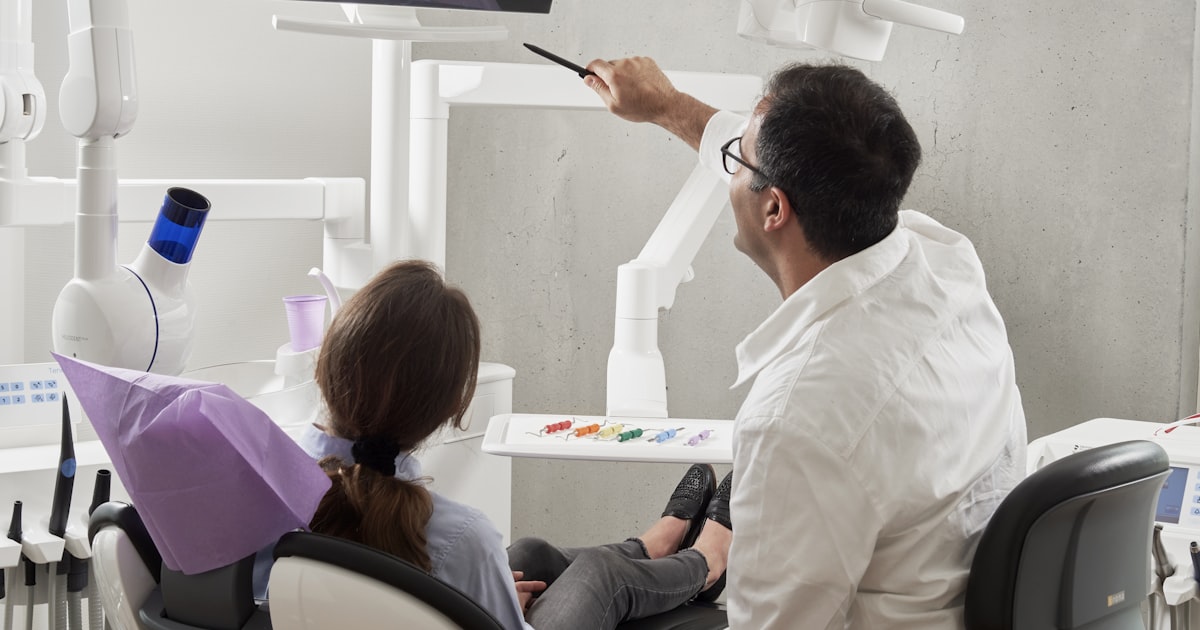
The clinical examination itself typically includes a visual inspection of all your teeth, gums, tongue, cheeks, and the roof of your mouth. The dentist will check for signs of decay, gum disease, wear, cracks, and oral cancer. Many private practices use intraoral cameras, which are small cameras on a wand that take high-resolution images of your teeth. These images are displayed on a screen so you can see exactly what the dentist is seeing, which is helpful for understanding any issues that are identified.
Digital X-rays are usually taken at a first visit and periodically thereafter. These use significantly less radiation than traditional film X-rays and produce instant results. The dentist will typically take two to four bitewing X-rays, which show the areas between your teeth where decay commonly develops, and may take a full panoramic X-ray (OPG) if a broader view is needed.
Many private practices also include a periodontal assessment, which involves measuring the depth of the pockets between your teeth and gums using a small probe. This is one of the most important diagnostic tools for detecting gum disease early, when it is most treatable. Healthy pockets measure 1 to 3 millimetres; deeper pockets may indicate early gum disease.
At the end of the examination, your dentist will discuss their findings with you. If treatment is needed, they will explain the options, the costs, and the recommended timeline. You will not be pressured to commit to treatment on the spot. A reputable private practice will give you a written treatment plan to take away and consider.
What You Will Pay
Private dental pricing in the UK is set by each individual practice, which means there is significant variation. However, understanding the typical cost ranges can help you budget and avoid surprises.
A new patient check-up, including examination and X-rays, typically costs between £50 and £150. In London and the South East, expect prices toward the higher end of this range. In the North, Midlands, and rural areas, prices tend to be lower. Some practices charge separately for X-rays (typically £10 to £30 per image) and for the oral cancer screening (£10 to £20 where charged separately).
A hygiene appointment, which is usually recommended alongside or shortly after your check-up, typically costs between £55 and £130 for a standard 30-minute session. Some practices offer combined check-up and hygiene packages at a reduced rate, which can represent good value.
If treatment is needed, your dentist will provide a detailed cost breakdown. Common private treatment costs include: white composite fillings (£90 to £250 per tooth), root canal treatment (£300 to £700 depending on the tooth), crowns (£400 to £1,000), and extractions (£100 to £350). These prices vary significantly by region and practice, which is why comparing on a platform like [OpenWide](/directory) before committing can save you hundreds of pounds.
Many private practices offer payment plans or dental membership schemes. Monthly plans typically cost between £15 and £40 and usually include two check-ups and two hygiene visits per year, plus a discount on any additional treatment. If you plan to attend regularly, these plans can be more cost-effective than paying per visit.
Questions to Ask Your Dentist
A good private dentist will welcome questions. In fact, asking questions is one of the best ways to assess whether a practice is right for you. Here are the questions worth asking at your first appointment.
Ask about qualifications and experience. If you need a specific treatment, ask whether the dentist has particular experience or additional training in that area. Many private dentists pursue postgraduate qualifications in areas like implantology, orthodontics, or cosmetic dentistry, and they should be happy to discuss their training.
Ask about the practice's approach to prevention. A practice that emphasises preventive care, regular hygiene visits, fluoride treatments, and patient education, is likely to be more focused on your long-term oral health than one that seems primarily interested in selling treatment. Prevention-focused practices tend to save you money in the long run by catching problems early.
Ask for a full breakdown of costs before any treatment begins. A reputable practice will always provide a written treatment plan with itemised costs. If a practice is reluctant to discuss pricing or gives vague answers, this is a red flag. You have every right to know exactly what you will be paying and for what.
Ask about their cancellation policy. Most private practices charge a fee for missed appointments or late cancellations, typically between £25 and £50. Knowing this upfront avoids any unpleasant surprises.
Finally, ask what happens in an emergency. A good private practice will have provisions for emergency appointments for their registered patients, often guaranteeing to see you within 24 hours for urgent issues. This can be one of the most valuable aspects of private dental care, particularly if you have experienced the frustration of trying to access emergency NHS dental treatment.
NHS vs Private Check-Ups: A Direct Comparison
The choice between NHS and private dental care is not always straightforward, and neither option is universally better. Understanding the practical differences can help you decide which is right for your circumstances.
NHS check-ups cost a fixed £26.80 under Band 1 and typically last 10 to 15 minutes. They include a clinical examination, diagnosis, and any necessary X-rays. The quality of clinical care is governed by the same regulatory standards regardless of whether it is NHS or private, so the actual examination is clinically sound. However, the shorter appointment time means there is less opportunity for detailed discussion and for non-urgent concerns to be addressed.
Private check-ups cost more but typically offer longer appointments, more advanced diagnostic technology, a wider range of treatment options, and greater continuity of care. You are more likely to see the same dentist at each visit, the practice is more likely to have the latest equipment, and you will generally have more time to discuss your concerns and treatment options.
For patients on a tight budget who need basic dental maintenance, NHS care provides perfectly adequate check-ups and treatment. For patients who want a more comprehensive experience, who have specific cosmetic goals, or who simply cannot find an NHS dentist, private care offers a broader and often more comfortable experience.
Many patients choose a hybrid approach: they receive basic check-ups and treatment on the NHS while paying privately for specific services such as hygiene appointments, whitening, or cosmetic work. This is entirely legitimate and can be a cost-effective way to get the best of both systems. Use [OpenWide](/guides/first-dental-appointment) to explore practices in your area that offer both NHS and private options.
Find a dentist you can trust
Compare pricing, read verified reviews, and choose a practice that's right for you.